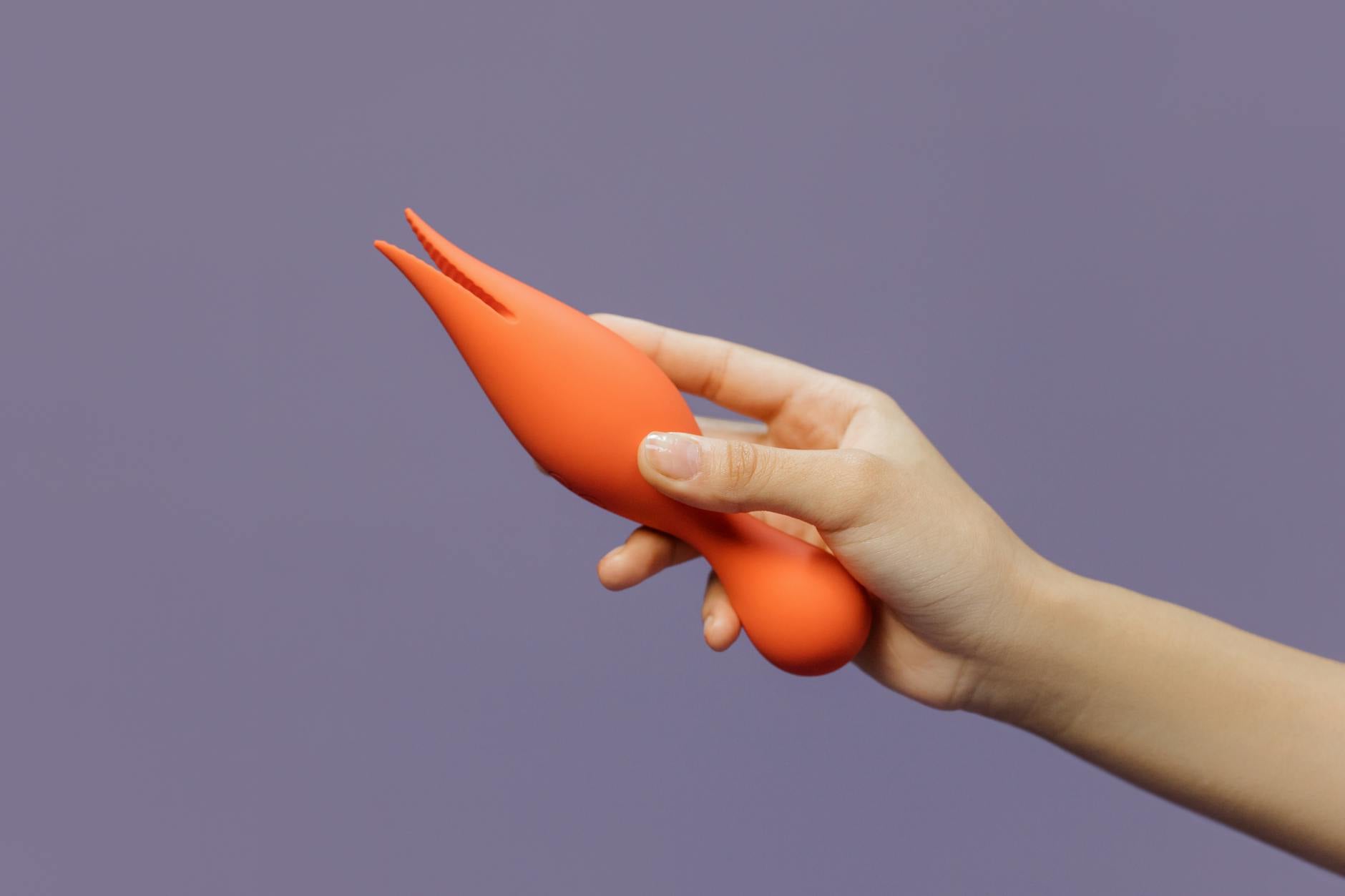
How to Use Lemon Vibrators When You've Taken a Break From Sex
Restarting your sexual life doesn't mean forcing yourself back to where you left off. Here's how to ease back in with patience, pleasure, and tools that actually work.
Sex stops for all sorts of reasons. Sometimes it's circumstantial. Sometimes it's relational. Sometimes your body just says no for a while, and that's valid. What matters now is that you're thinking about starting again, and you want to do it right.
Taking a break doesn't make you broken. It also doesn't mean your body will snap back to where it was. Restarting is gentler work than people expect, and lemon clitoral vibrators are actually perfect tools for this specific moment because they're forgiving, adjustable, and built for people who need to move slowly.
If you've been away from sexual activity for weeks or months, your nervous system has essentially reset. That's not bad. But it does mean a few things shift.
First, your pelvic floor tightens. This isn't deliberate. It's what happens when muscles aren't regularly engaged. Your vulva may feel more sensitive than it used to, or weirdly numb. Blood flow to the area decreases, so arousal takes longer to build and lubrication doesn't happen as readily. Your brain might also be in a protective state. If the break was because of pain, trauma, or relationship rupture, your system is still guarding.
Here's what I tell my clients: this is information, not failure. Your body is doing exactly what it's supposed to do. The goal isn't to fight that. It's to work with it.
Lemon vibrators, especially models with variable intensity and suction features, let you work at your own pace. You're not trying to wake up a dormant system all at once. You're gently inviting it back.
Compare a lemon vibrator to traditional vibrators. A standard vibrator is just vibration. More or less, that's it. A lemon clitoral vibrator uses suction, which mimics the gentle pulling sensation of oral sex without the intensity of direct vibration.
When you're restarting, suction is gentler on sensitive tissue. Your clitoris doesn't get overstimulated the same way. You also have more control. You can start at pattern 1 or 2, spend 20 minutes there, and not feel pressured to move faster.
Lemon vibrators also have a learning curve that works in your favor. They're intuitive enough that you don't need to troubleshoot, but engaging enough that you can discover what works for you right now. Your body from before the break isn't your body now. These tools let you meet yourself where you actually are.
Phase one: solo, no goal (weeks one to three). This is exploration without pressure. You're not trying to orgasm. You're not timing yourself. You're just getting reacquainted. Use your lemon vibrator in a comfortable space, no phone, no deadline. Start at the lowest setting. Notice what feels good, what feels strange, what feels like nothing at all. This phase is about rebuilding your internal map of pleasure.
Phase two: building stamina (weeks three to six). Now you're spending more time with sensation. Maybe you're experimenting with different patterns. Maybe you're noticing that pattern 3 feels better than pattern 2. You might orgasm here. You might not. Both are normal. This phase is about your nervous system remembering that pleasure is safe and available.
Phase three: reintegration (week six onward). If you have a partner, this is when you might start to bring shared sexual activity back in. If you're solo, this is when you might explore partnered fantasy or different settings. Your lemon vibrator continues to be part of your toolkit, not as a crutch but as part of your pleasure vocabulary.
The whole timeline might take three months. It might take six. There's no standard. The point is to let your body set the pace.
Set up the environment first. You need 30 minutes where you're not going to be interrupted. Your phone is another room. The door has a lock or you live alone. Temperature is comfortable. You have water nearby.
Start with lubrication. Even though your body might produce some natural lubrication, use a water-based lubricant. It's not a sign of dysfunction. It makes sensation clearer and smoother. Apply it generously to your vulva and to the head of your lemon vibrator.
Begin at the absolute lowest setting. Most people want to jump to a comfortable intensity immediately. Resist that. Start at pattern 1 or setting 1. Spend five to ten minutes there. Your body needs to remember what sensation feels like.
Focus on the clitoral hood first, not the clitoris directly. This is important. Your clitoris is sensitive after time away. The hood (the tissue covering it) is where you want to begin. The suction from a lemon vibrator works beautifully here because it creates indirect stimulation. Let the vibrator hover or rest gently. Don't press hard.
Patience over intensity. The urge to increase the pattern, move faster, or try harder will come. Don't. This is where I see people derail themselves. They think "it's been months, I should feel more by now." You won't. You'll feel less, and that's completely normal. Your nervous system is still waking up.
Stop before you need to. If you've been at it for 20 minutes and feel good, stop. Don't wait until sensation drops or your arm gets tired. End on a high note so your next session feels like something to look forward to, not an obligation.
Let's be real. Restarting can be boring, especially if you're used to more intense sensation or if you had a full sexual life before the break.
Your brain might try to convince you that something is wrong because you're not having an orgasm by minute five like you used to. Your nervous system might feel numb or disconnected. You might feel frustrated or even sad. All of that is normal feedback from a system that's been offline.
Here's what I tell people: treat this like physical therapy for your pleasure. You wouldn't expect your leg to feel strong after six weeks of a cast just because you walked around the block once. Your sexual response is the same.
If frustration builds, step back for a few days. Try again when you feel curious instead of demanding. Curiosity is the nervous system state you want. Demand is the state that tightens everything back up.
If you have a partner, the timeline for bringing them back in matters. I typically recommend waiting until you've completed phase one solo. This isn't about excluding them. It's about you establishing a baseline of solo pleasure first.
When you do bring a partner in, a lemon vibrator can actually reduce pressure. Instead of "let's have sex," it becomes "let's try something together." Instead of your partner needing to be the entire source of stimulation, a tool is present. This often reduces performance anxiety on both sides.
Talk first. Tell them the timeline you're thinking about. Tell them you might feel numb or distant, and that's your body healing, not your body rejecting them. Tell them your lemon clitoral vibrator is part of your toolkit now, and it helps. A partner who gets this will be relieved. They won't have to be everything.
If six weeks in and you feel no difference, or if touching yourself triggers anxiety or physical pain, see someone. This might be a therapist who specializes in sexual health, a somatic practitioner, or a gynecologist. The break might have illuminated something that needs more support than a vibrator can provide. That's not a failure. It's information.
If your original break came from trauma, pain, or relationship rupture, professional support early on makes restarting easier. You're not just rebuilding pleasure. You're also potentially rebuilding safety. That's bigger work than going solo.
Similarly, if you're restarting because of medication side effects or hormonal changes, a healthcare provider can offer options or timing strategies that a toy can't. A lemon vibrator helps, but it's one tool in a bigger picture.
Taking time away from sex, and then choosing to come back, is actually a sign of self-awareness. You're not forcing yourself. You're not performing. You're reconnecting intentionally.
Lemon vibrators fit this moment because they're patient. They meet you at pattern 1, week one. They're still there at pattern 5, month three. They don't judge. They don't get impatient. They're literally designed to let your body move at its own speed.
Use them that way. Your restarted sexual life doesn't need to look like your old one. It needs to look like you, right now.
You can use a lemon vibrator whenever you feel curious, not when you feel like you should. There's no required waiting period. Some people are ready after two weeks. Others need two months. The key is that you're choosing it because you want to, not because you feel obligated. Start small, low, and patient regardless of how much time has passed.
Probably not, and that's okay. You might find that you're more sensitive in some areas, less in others. You might discover that patterns or intensities you loved before don't work now. Your body has changed, and your desires might have too. This is an opportunity to learn yourself again rather than recreate something old.
Alone first, ideally. Solo exploration lets you establish your own baseline and what feels good without any pressure or performance anxiety. Once you're comfortable exploring by yourself for a few weeks, bringing a partner in becomes collaborative rather than obligatory. You already know what you like, so you can actually communicate it.
Stay patient. Numbness or disconnection after time away is extremely common. You're not broken. Your nervous system is being protective. Keep showing up, keep it light, and trust that sensation will return. If weeks go by with zero change, talk to a healthcare provider or sex therapist. Sometimes there's an underlying issue that needs attention.
Yes, absolutely. In fact, using a clitoral vibrator during partnered sex can reduce pressure because the vibrator is providing clitoral stimulation while your partner provides something else. This often makes restarting easier because you're not relying on one person or one type of sensation to do all the work.
Completely normal. Restarting can bring up grief about the time away, anxiety about whether things will work, or complicated feelings about your relationship or body. All of that is valid. Sometimes pleasure and emotion are tangled together. A lemon vibrator can help with the pleasure part. A therapist can help with the emotional part. You might need both.
There's a difference. Starting over means erasing what came before and pretending you're brand new. Starting again means honoring the time away and gently inviting yourself back to pleasure on your own terms.
Your lemon vibrator is patient. Your body is resilient. Your timeline is your own. Trust all three, and restarting becomes less about performance and more about genuine reconnection with yourself.