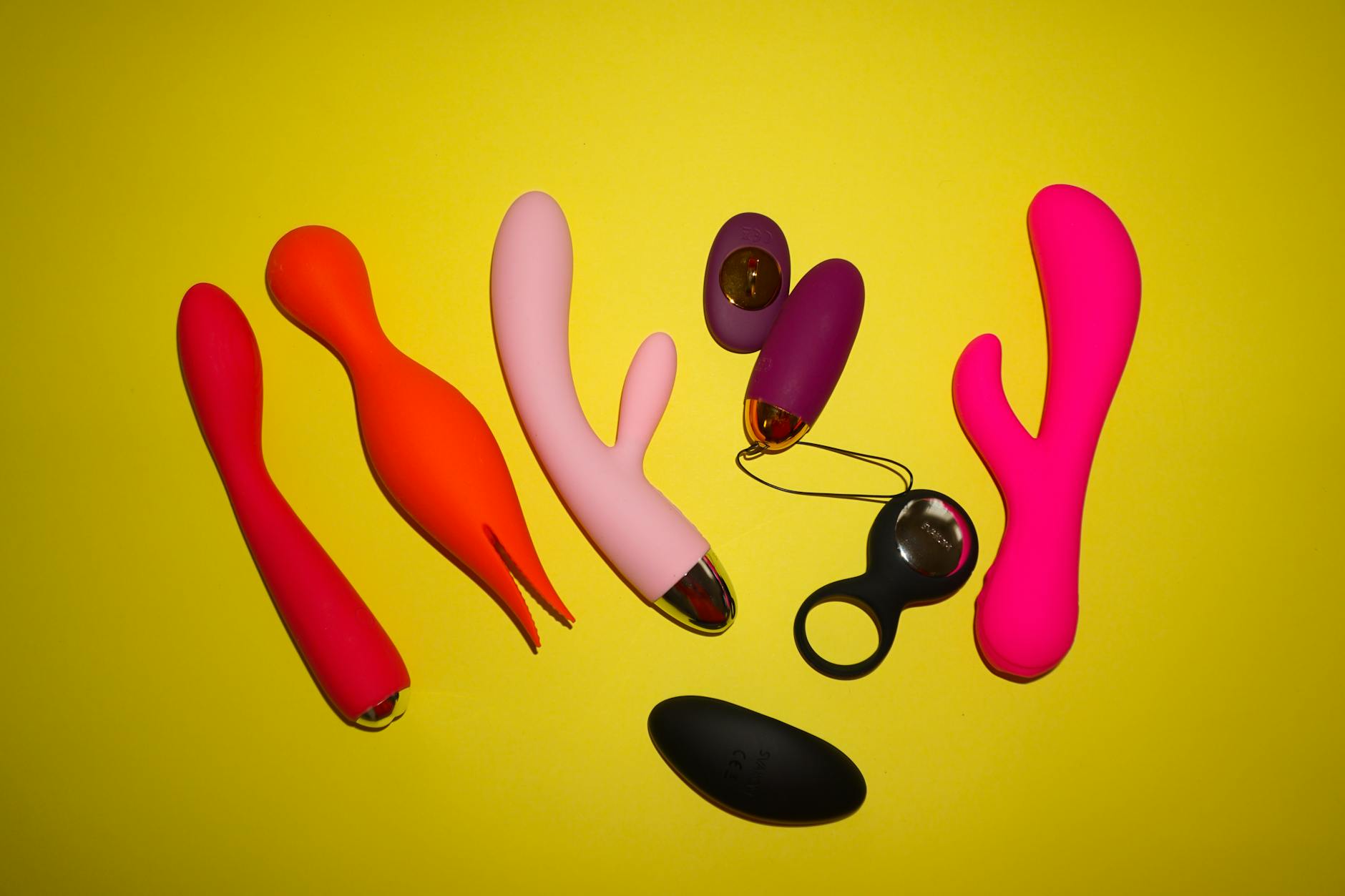
When obligation replaces desire
Here's the thing nobody says out loud: sex can become a task. Not because you've fallen out of love. Not because your partner is wrong. But because somewhere between schedules, stress, and the weight of routine, intimacy stopped feeling like an escape and started feeling like another item on a to-do list.
That shift is real, and it's more common than you'd think. The research backs this up. Long-term couples often experience what relationship experts call "obligatory sex," where physical connection becomes something you do because you feel you should, not because you actually want to. The body doesn't lie about this. Arousal doesn't happen on command. Pleasure gets muted. Everything feels flat.
The good news: this isn't a relationship failure. It's a signal that something in how you're approaching intimacy needs to change.
Why lemon vibrators shift the dynamic
Lemon clitoral vibrators like The Lem work differently than penetrative sex. They're not about performance or reciprocal timing. They're about your actual arousal, your actual body, your actual pleasure. When sex feels obligatory, that distinction becomes crucial.
Here's what typically happens: you and your partner approach sex thinking you need to follow the same script that's always worked. Someone initiates. Someone responds. Things escalate. Penetration happens. Orgasm hopefully follows. But when obligation is in the room, your nervous system is already in the wrong state. You're not relaxed. You're not curious. You're thinking about how long this will take or whether you'll be able to finish.
A lemon vibrator interrupts that script. Instead of trying to force arousal through familiar motions, you're introducing a completely different stimulus. The suction sensation (the way clitoral vibrators like The Lem use air-pulse technology) doesn't require your brain to be anywhere specific. It works on the nervous system directly. Arousal often follows the sensation, rather than you chasing arousal while expecting the sensation.
When your body actually responds, something shifts psychologically. You remember what desire feels like.
Reframing the conversation with your partner
The first move is not buying a vibrator. It's telling the truth.
Say something like: "I've noticed that sex has started to feel less connected for me. I don't think it's about us. I think it's about how we're approaching it." This is different from "I'm not attracted to you anymore" or "Sex isn't working." You're naming the real problem: the frame, not the relationship.
Then: "I want to try something different. Not instead of us having sex, but as part of exploring what actually turns me on right now." This matters because it positions the vibrator as a tool for reconnection, not as a substitute for your partner.
The fear most partners have is that a vibrator means they're not enough. Reframe it explicitly: "This helps me actually feel something again. When I feel it, being with you matters more."
How to introduce lemon vibrators into partnered sex
Don't go from zero to full collaboration. Start with two separate experiences.
First, use it alone. Get curious about what intensity, pattern, and duration actually make you feel something. This serves two purposes: you remember what genuine arousal feels like without the pressure of partner timing, and you gather actual data about your body. "I come fastest on pattern three, after about five minutes of buildup" is useful information. "I feel sexy when I'm touching myself and not thinking about whether I'm taking too long" is crucial.
Once you've reconnected with your own arousal, bring your partner in. Not during sex initially. During foreplay. Start with the vibrator while they're present but not yet involved. They watch. They see your body actually responding. This is different from obligatory sex because now they're witnessing genuine pleasure.
Then, gradually integrate them: they hold the vibrator. They control the intensity. They watch your face. You're in the same room in a completely different way. There's no performance expectation because the vibrator is doing the heavy lifting.
Finally, you can use it during penetrative sex if that appeals to you. But the earlier stages matter most because they rebuild the foundation that obligation eroded: the belief that your pleasure actually matters, and that your partner is capable of being present for it.
Handling the discomfort that comes up
Introducing a vibrator often triggers unexpected feelings. Your partner might feel less skilled. You might feel vulnerable showing genuine arousal after months of faking it. This is normal and it's temporary.
Expect these moments. Plan for them. Have a conversation beforehand where you both agree that awkwardness is part of the process and doesn't mean it's not working.
If your partner resists, don't fight about it. Ask why. Is it genuinely about the vibrator, or is it about feeling replaced, or about anxiety about whether they're enough? That's a different conversation than "should we use The Lem." Once you understand what's underneath the resistance, you can actually address it.
When using lemon vibrators doesn't solve it
If you're using a lemon clitoral vibrator and arousal still doesn't happen, the issue probably isn't physical. It's likely that obligation has roots deeper than just routine: resentment, disconnection, unresolved conflict, or genuine sexual incompatibility. A vibrator can't fix those things.
This is when therapy becomes the right tool. Not because something is wrong with you, but because you need help untangling what obligation is actually protecting you from or what it's masking.
The goal isn't more frequent sex
When obligation shifts to genuine desire, sometimes you end up having less sex but better sex. The frequency matters less than the fact that when it happens, you both actually want it. That's the metric that actually predicts long-term relationship satisfaction.
Using lemon vibrators together can be that turning point. Not because vibrators are magic, but because they force a conversation, a new experience, and a reminder of what arousal actually feels like. When you remember that, everything changes.
People also ask
How do I know if my partner will be receptive to using a lemon clitoral vibrator together?
Start without judgment. Use language like "I'd like to try something that might help us both feel more connected" rather than "our sex life isn't working." Watch how they respond to the framing, not just the idea. Some partners immediately say yes. Others need time to adjust to the concept. If they're defensive or dismissive, ask what specifically feels threatening. Often it's not the vibrator itself but what it represents (feeling replaced, anxiety about performance). Address that first.
Can using a lemon vibrator together actually rebuild desire in a long-term relationship?
It can be the catalyst, but it's not the magic wand. What shifts is your willingness to try something new and your body's actual physiological response to a different stimulus. Once arousal returns and both of you experience genuine pleasure again, desire often follows. The vibrator creates the conditions. Your relationship has to do the work of staying connected in other ways too.
What if I can only feel pleasure with the vibrator and not during regular sex?
That's more common than you'd think, especially after months of obligatory sex. Your body learned that regular sex wasn't going to deliver pleasure, so it stopped responding. Start using the vibrator during foreplay before penetration. Your nervous system relaxes, arousal builds, and then partner sex feels less like pressure and more like continuation. It usually takes a few sessions before the transition feels natural.
My partner is worried a lemon vibrator means I'm not attracted to them anymore. How do I help them understand?
Be direct: "Obligation killed my arousal. The vibrator brings it back. When I feel turned on again, being with you matters more." Let them watch you enjoy it. Let them be part of it. Feeling excluded is what usually triggers insecurity. Feeling included usually dissolves it. Also acknowledge their feelings as valid without letting them override your need to reconnect with pleasure.
Is it normal to need a vibrator now when I didn't need one before?
Yes. Your body's needs shift with stress, hormones, relationship dynamics, age, and medication. Obligation especially rewires what turns you on because your brain associates partnered sex with pressure instead of pleasure. A lemon vibrator helps recalibrate that association. Using one doesn't mean something is broken about you. It means you're paying attention to what actually works.
How do I bring up using The Lem or another lemon vibrator without making my partner feel judged?
Timing and framing are everything. Choose a moment when you're both relaxed and not heading toward sex. Say something like: "I've been thinking about how we could both enjoy sex more. I want to try using a vibrator together." Make it collaborative ("we") not accusatory ("you"). If they ask why, be honest: "Because I want to feel something again, and I want you there when I do."
Moving forward
Obligation is a sign that something needs to change, not a sign that the relationship is over. Lemon vibrators and other clitoral vibrators can be that change. They're not a replacement for your partner. They're a permission structure. Permission to actually feel your body. Permission for arousal to matter. Permission to want sex again.
That matters more than you might think. When you both remember why sex was ever good in the first place, everything shifts. Start there.
If this resonates and you're ready to have the conversation with your partner, reach out. Sometimes the hardest part isn't using the vibrator. It's naming out loud that desire matters and asking for help getting it back.