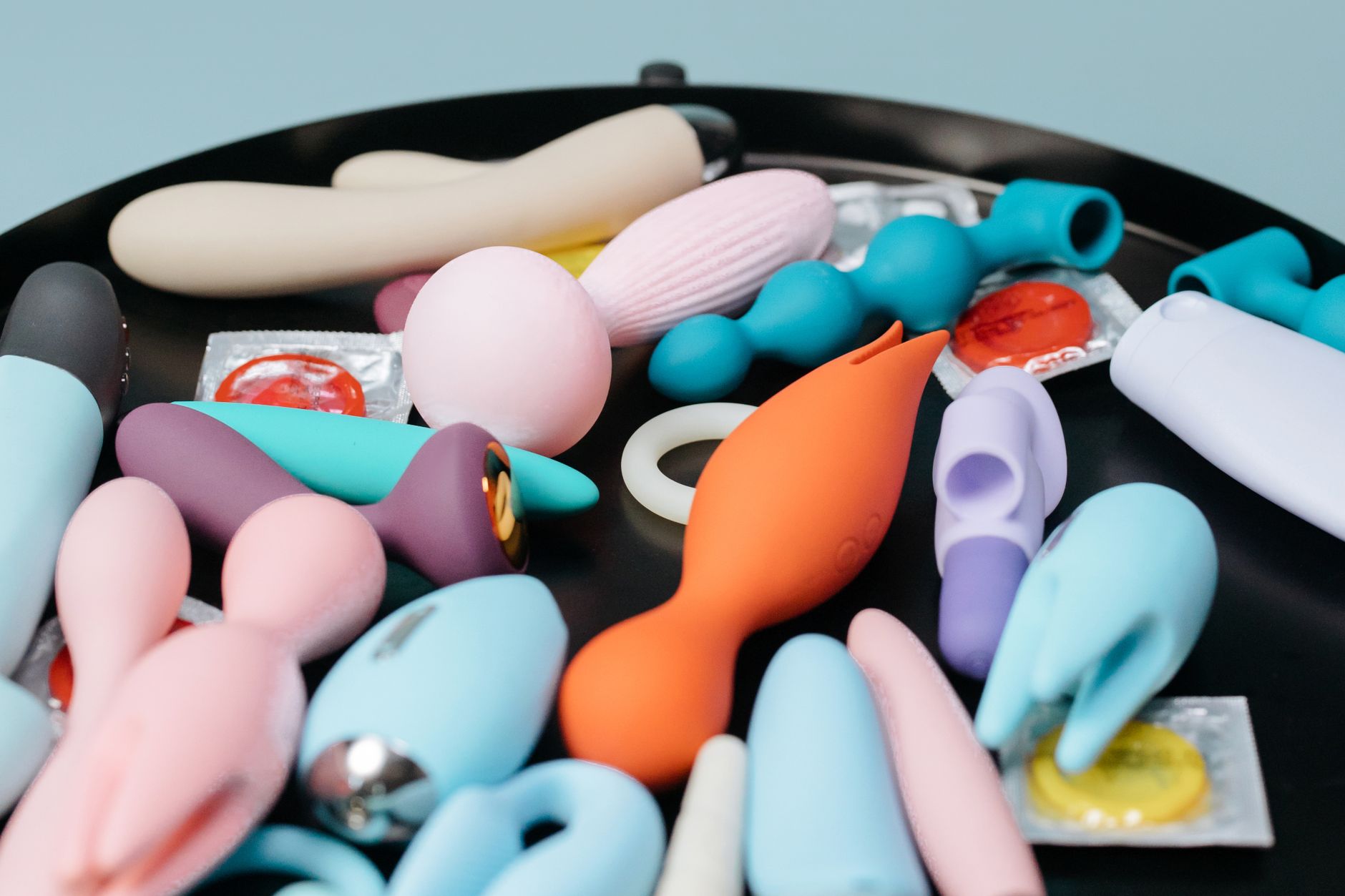
Here's the thing nobody warns you about
Surgery doesn't just sideline one person. It changes the sexual rhythm for both of you. One of you is cleared to resume intimacy at week six. The other is still two weeks away from clearance. Or one person's pain levels are dropping fast while their partner is still in the fog of recovery medication. You're in the same bed, same relationship, totally different timelines.
Most couples don't talk about this until it becomes a source of resentment. That's where lemon vibrators and the right conversation come in.
Why mismatched recovery creates friction
It's not just about sex. It's about feeling wanted and normal again. The partner who recovers faster often feels guilty about their desire. The one still healing sometimes feels pressure to move faster than their body allows. Add in the fact that you're both exhausted, one of you is managing pain, and sex becomes this thing that sits between you like an unspoken problem.
I've worked with couples where one partner had abdominal surgery and the other had a minor procedure. The difference in recovery time was only two weeks, but those two weeks created a gap. The partner waiting felt abandoned. The recovering partner felt watched and pressured. Neither of these feelings is rational, but they're completely real.
The actual timeline issue
Surgical recovery timelines are weird because they're not linear. Your doctor might say you're cleared at six weeks, but that doesn't mean sex feels good. Pain might spike. Scar tissue sensitivity might make penetration feel sharp rather than pleasurable. You're also exhausted from healing, often on medications that affect desire, and possibly dealing with body image stuff if the surgery changed how you look or feel physically.
For the faster-healing partner, the timeline issue is different. They're ready. They want connection. But they can also feel their partner's hesitation or pain, which kills desire pretty quickly. That's when shame shows up. "I shouldn't want sex when they're still recovering." But you do.
What lemon vibrators actually solve here
Lemon clitoral vibrators like the ones from The Lemon Massagers work because they allow pleasure without penetration, without timing pressure, and without waiting for both bodies to be ready simultaneously. Here's how this matters during asymmetrical recovery:
Solo pleasure becomes a conversation, not a secret. When the faster-healing partner uses a lemon vibrator solo in the same room, it's not sneaking off. It's a transparent act. Your partner can be present without it being about them. If they want to watch, great. If they want to just lie there and know you're both experiencing pleasure, that works too.
The recovering partner can participate without physical risk. Using a lemon sucker on a partner who's still healing doesn't require them to do anything. They're receiving pleasure without putting strain on surgical sites. A lemon clitoral vibrator means stimulation without the mechanics that might stress healing tissue.
It removes the penetration timeline entirely. Most post-surgical clearance is about penetration. Clitoral stimulation using a lemon vibrator bypasses that whole constraint. You can be intimate without waiting for that particular green light.
How to actually use them during uneven recovery
Start with a conversation that isn't about sex. Frame it around desire and connection, not obligation. "I miss touching you. I also want your body to heal fully. Can we figure out ways to stay connected that work for where we both are right now?"
If the healing partner is interested, a lemon clitoral vibrator becomes a tool for them to experience pleasure without initiating anything. They can masturbate alone in the next room or beside their partner in bed. Both are valid. Neither is rejection.
If the partner still in recovery wants to participate, they can use The Lemon Massagers' devices on their partner without any physical exertion on their part. Lying down while using a lemon vibrator on someone else requires minimal movement and zero strain on most surgical sites. Start at lower intensities, watch your partner's response, and adjust.
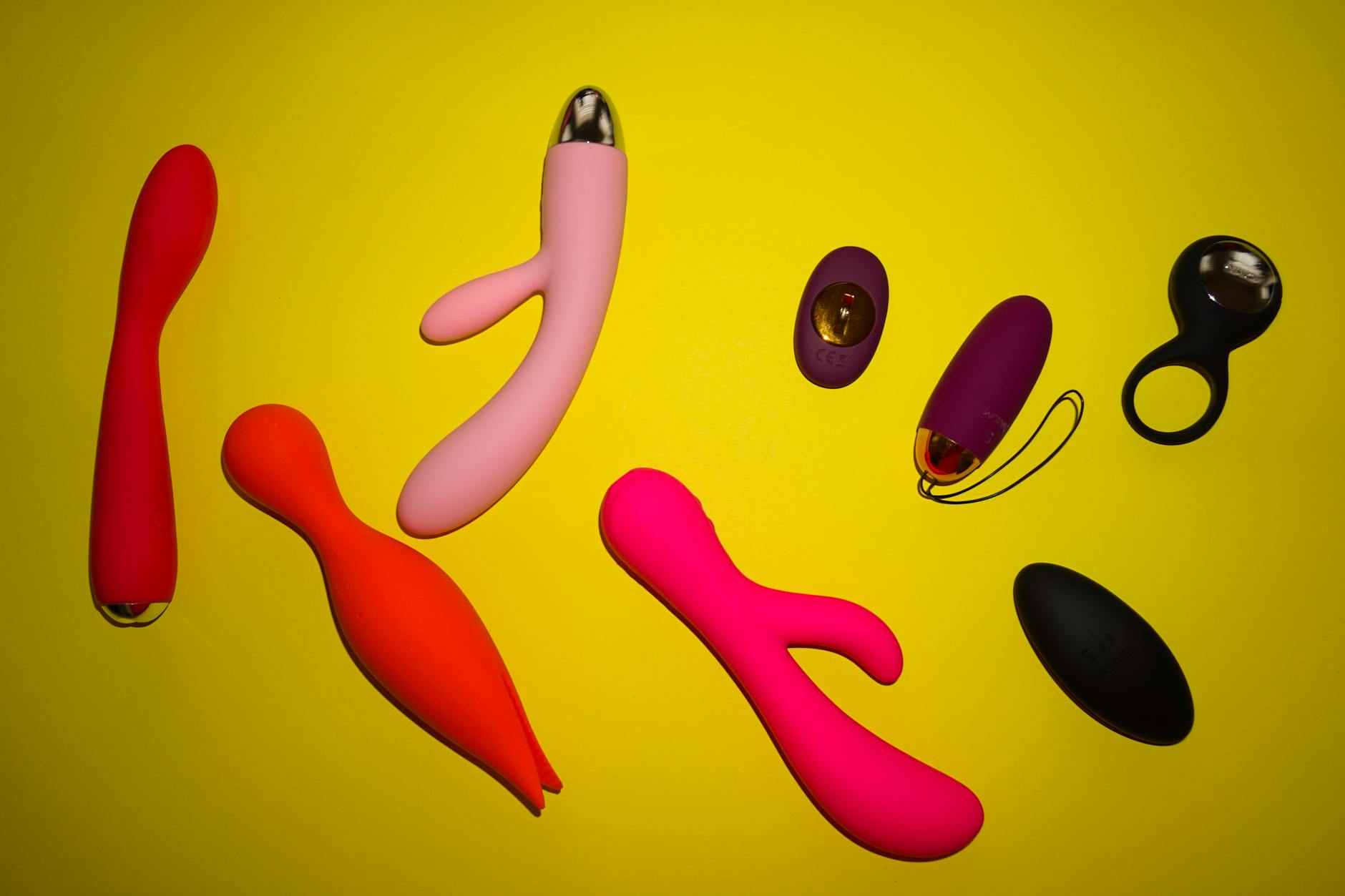
Photo by FounderTips on Pexels
Timing matters here. Don't try this when your recovering partner is exhausted or in pain. Pick a moment when they're genuinely well. That might be morning rather than evening. It might be after pain medication has kicked in but before grogginess sets in. You're looking for a 20-minute window where they're present and relatively comfortable.
The emotional part (which is actually the whole thing)
Here's what I see most often: the faster-healing partner stops initiating because they feel bad. The recovering partner starts resenting them for "giving up" on intimacy. Nobody's wrong, but both people are hurt.
Using a lemon vibrator together, or in front of each other, does something important psychologically. It says, "This relationship includes pleasure. That hasn't stopped. We're just expressing it differently right now." That's not a lesser version of intimacy. It's honest intimacy.
Talk about what you both want from this phase. Does the recovering partner want to be involved? Do they want to watch? Do they want privacy while their partner experiences pleasure solo? All of these are legitimate. The key is saying it out loud instead of performing stoic sacrifice on both sides.
One client told me that when they used a lemon clitoral vibrator with their still-recovering partner watching, their partner cried. Not sad tears. Relief. "We're still us," they said. "I was terrified we weren't." Surgery creates a break in sexuality that feels scary. Pleasure without penetration, without performance, without waiting for perfect simultaneous readiness, can bridge that gap.
When to pump the brakes
If your partner is in significant pain, if their surgery site is showing signs of infection, or if they're emotionally fragile, now's not the time. Recovery isn't linear. You might have a great moment one day and a setback the next. Flexibility matters more than a timeline.
Also, if either of you is using this as a substitute for talking about real disconnection, it won't work. A lemon vibrator can't fix a relationship where one person feels unsupported during surgery. If you're heading toward that, that's a couple's conversation or therapy conversation first.
The practical setup
Cleanliness matters. If your partner is still in early recovery, wash your hands and the vibrator with warm water before use. Some recovering partners have compromised immune systems. Also, if they're still on certain medications, those can affect sensation, so expectations about intensity or orgasm might need adjustment.
Communicate about pressure and pain. "Is this feeling good, or should I try lower intensity?" Every few minutes is not too much. Pain changes fast during recovery, and you want real feedback, not brave silence.
Keep lubricant nearby, especially if your recovering partner has had abdominal surgery and drying out can feel weird or uncomfortable. Water-based lubricant works with all lemon vibrators and doesn't complicate healing.
What comes after recovery
Mismatched recovery timelines are temporary. Within a few weeks, both partners are usually cleared and healed enough to resume normal physical intimacy. But something shifts in couples who use this time to stay connected rather than resentfully waiting. You've practiced pleasure without pressure. You've learned to talk about sex in a different way. That sticks around.
When you're both fully healed, you might find that you want to keep some of these solo moments. That's actually really common and really healthy. You've discovered that pleasure isn't always something you do together.
Right now, though, you're healing at different speeds. That's okay. Use the tools that work with your actual bodies and timeline, not against them. A lemon vibrator isn't a workaround. It's an actual form of intimacy that fits where you both actually are.
People also ask
When can I use a lemon vibrator after my partner's surgery?
That depends entirely on their surgery and clearance. A partner recovering from minor surgery might be ready within days. Someone healing from major abdominal or gynecological surgery might need weeks. Ask their doctor specifically: "Is clitoral stimulation safe at X weeks?" Most surgeons clear clitoral vibrators well before penetration. Also check with them about whether they want to be touched or stimulated during their recovery, independent of what's medically okay. Emotional readiness matters as much as physical readiness.
Is it weird for the faster-healing partner to use a vibrator alone while their partner recovers?
Not at all. It's actually healthier than suppressing desire or feeling guilty. If you're both comfortable with it, doing it in the same room or telling your partner afterward normalizes pleasure in recovery. If you need privacy, take it. The goal is to stay connected without creating resentment, and that looks different for every couple.
Can my recovering partner use a lemon clitoral vibrator on me if they can't move much?
Yes, absolutely. Lying down while using a vibrator on a partner requires minimal movement and no strain on most surgical sites. Your recovering partner can absolutely be the one stimulating you. It can actually feel empowering for them to be giving pleasure while their body is healing. Just make sure they're genuinely comfortable and not overextending.
How do I talk to my partner about using vibrators during recovery without it feeling awkward?
Start outside the bedroom. "I've been thinking about how we stay connected while you're healing. I don't want us to feel disconnected during recovery. What would feel good to you?" You're framing this around connection and his comfort, not around your need for sex. Then listen. Maybe they're not ready. Maybe they're relieved someone brought it up. Don't assume.
What if my partner doesn't want me to use a vibrator during their recovery?
That's their call. Some people need that recovery time to be sexless. That's valid. If this is creating real tension between you, it's a couple's conversation, not a vibrator question. You might explore what they're worried about. Are they afraid it means you're not attracted to them? That you're losing interest? These are conversations worth having with honesty.
Can we use a lemon vibrator together if we haven't used one before and they're still recovering?
Yes, but start small. Let your recovering partner control the pace and intensity. They can tell you to stop anytime. Begin with lower patterns and longer sessions so neither of you feels rushed. The goal is comfort and connection, not climax. Sometimes just being close while pleasure happens is the point.
Moving forward
Surgery tests relationships because it pulls away the usual scripts. You can't perform. You have to be honest. Using a lemon vibrator during mismatched recovery timelines isn't a substitute for intimacy. It's a real expression of it: I still want you. I still want connection. I'm willing to find ways that work for both our bodies right now.
If you're navigating this specific challenge, you're not failing at intimacy. You're learning to make it work in real time, with real bodies, at different speeds. That's actually the most mature version of sexuality there is. If you need more support thinking through how to approach this conversation with your partner, reach out to our team. We're here to help.