How to Use Lemon Vibrators When Depression Medication Affects Libido
Your antidepressant is working for your mood. Your libido paying the price doesn't mean you're broken. Here's how to reclaim pleasure without abandoning medication.
You're not alone. Sexual side effects from SSRIs, SNRIs, and other psychiatric medications affect 40 to 60 percent of people taking them. That's not a small number. That's not a you-problem. It's a well-documented, clinically recognized side effect that deserves the same serious attention as any other.
The irony is sharp: the medication that gave you back your life has dampened the part of your life that feels most intimate. And somehow, that trade-off never comes up in the initial conversation with your prescriber. You end up figuring it out alone, and then wondering if you're overreacting or if sex is just supposed to feel this numb now.
Most psychiatric medications that affect mood do it by altering serotonin, dopamine, or norepinephrine levels in your brain. Here's what that has to do with arousal: all three of those neurotransmitters play a role in sexual response. Serotonin influences desire. Dopamine drives motivation and pleasure. Norepinephrine affects sensitivity and the rush you feel during arousal.
When medication increases serotonin (the goal for mood stability), it can simultaneously dampen the dopamine spike that usually accompanies sexual excitement. The result is that everything still works mechanically, but the pleasure signal gets quieter. Orgasm might take longer, or feel less intense, or require more direct stimulation than it used to.
This is not permanent. And it's not a sign that you should stop your medication. But it does mean that reaching pleasure now requires intention and usually, a shift in how you approach stimulation.
First, diminished sensation. Direct touch feels less electric. That sensitivity you used to have at the clitoris might feel muted or require sustained pressure to register.
Second, delayed arousal. Your body takes longer to build into arousal. What used to happen in minutes might now take fifteen or twenty, and you might need more direct stimulation to move between arousal stages.
Third, and often the one nobody talks about: emotional numbness bleeding into sexual response. You might feel emotionally distant during sex, present in your body but not quite connected to the experience. This is separate from low libido. Your body functions, but the feeling of being "turned on" has dulled.
This is where understanding the mechanism matters. Most traditional vibrators rely on intense rapid vibration alone. For someone on antidepressants dealing with reduced sensation, a standard vibrator might feel like it's just vibrating your hand, not actually reaching the nerve endings that matter.
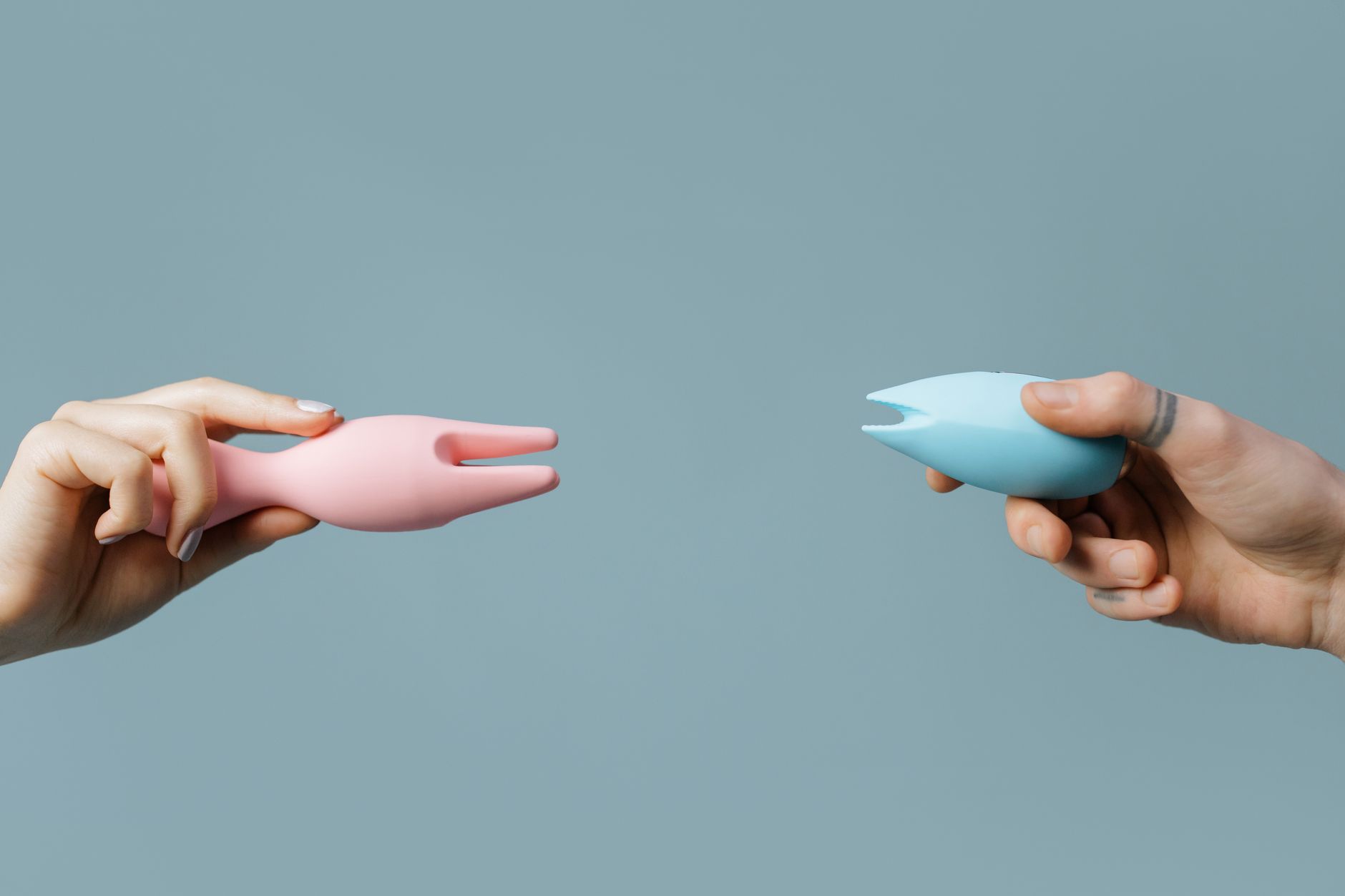
Lemon vibrators use air-pulse suction technology. This means they stimulate the clitoris by creating gentle pressure pulses rather than pure vibration. For medication-affected sensation, this is a game-changer.
Why. Because suction engages more surface area of the clitoris at once, which means your nervous system gets a broader, more recognizable signal. It's not a razor-focused vibration trying to cut through numbness. It's a gentler, more encompassing sensation that often breaks through when direct vibration doesn't.
I've worked with dozens of clients whose libido flatlined on antidepressants, and the shift from traditional vibrators to lemon clitoral vibrators was the turning point that helped them feel pleasure again. It wasn't about buying a better toy. It was about choosing a technology that matched what their medication-altered nervous system actually needed.
Begin with lower intensity settings. The Lem vibrator, for example, has multiple pulse patterns and intensity levels. Start at pattern one or two, at the lowest intensity. This isn't about gentle or soft. It's about finding the threshold where your nervous system actually registers the sensation instead of having it disappear into numbness.
Second, give yourself fifteen to twenty minutes of buildup. Don't jump straight to the toy. Spend time with whatever actually feels good right now. That might be looking at something that turns you on, reading erotica, or just lying still and noticing any sensation without pushing for more. Your arousal pathways still exist. They just need time to activate.
Third, pay attention to rhythm and pattern rather than intensity. Many people on antidepressants respond better to consistent, repetitive patterns than they do to random or escalating vibration. Choose a single pattern and stay with it for two or three minutes before considering a change. Let your nervous system build rhythm recognition.
Finally, focus on the sensation itself rather than the outcome. If you're thinking "Will I orgasm," your brain is dividing its attention. The goal right now is to feel something. Just to feel it. Orgasm might come, and it might not, and both are information.
Antidepressants don't hit your system evenly. Most are taken once daily, but their concentration in your bloodstream peaks and dips on a rough schedule. If you've been taking your medication in the morning, your plasma concentration is lowest in the evening and early night. Some people find they have slightly more sensation responsiveness during these windows.
Experiment. Track roughly when you feel most responsive, and don't be surprised if it's not what you expected. Many people assume evenings will be worse, only to discover that late night or early morning shifts their experience.
Also, talk to your prescriber about timing within your treatment cycle. If you're newly medicated, the first month or two is often the worst for sexual side effects. Many people see improvement as their body adjusts, even without any change to dose. That's worth knowing, because it changes your expectations and your plan.
If you're with someone, they deserve to know what's happening. Not because it's your responsibility to manage their feelings, but because guessing creates its own damage. "Why don't you want me anymore" is a different conversation than "My medication has changed how my body responds to touch, and I'm working on rebuilding sensation."
The first conversation spirals. The second opens a door.
Be specific. "I'm experiencing a known side effect of my medication called sexual dysfunction. It doesn't mean I'm not attracted to you. It means my nervous system is responding more slowly to stimulation, and I need more time and different kinds of touch right now." That's information. That gives them something to work with.
If they're interested in exploring with you, tools like the lemon clitoral vibrator can actually strengthen partnered pleasure. Many people find that having a specific tool for sensation helps them stop performing and start experiencing. That shift alone can deepen intimacy.
Sometimes, you'll follow this entire path, use the right tools, give yourself time, and pleasure still feels impossibly distant. That's the moment to loop back to your prescriber and say: "I've been on this dose for three months. The sexual side effects haven't improved. I want to discuss options."
Your options include dose adjustment (sometimes a lower dose reduces sexual side effects without compromising mood benefit), timing adjustment (taking your medication at a different time of day can sometimes help), adding a medication that counters sexual side effects (there are a few options available), or switching to an antidepressant with a lower sexual side effect profile.
None of these are failures. None of them mean the original medication wasn't right. They mean you're optimizing. Psychiatric medication is not one-size-fits-all, and sexual function is a legitimate medical concern worth addressing.
Many people spend months or years thinking they just have to accept numb pleasure as the price of mental health. You don't. There are almost always adjustments that let you have both.
The first few weeks are typically the worst. Many people see improvement in sensation by the four to six week mark as their body adjusts. If it hasn't improved by three months, that's the conversation to have with your prescriber. Some people adapt fully within weeks. Others need medication adjustment or a different tool to bridge the gap.
Yes, but indirectly. They don't speed up the underlying neurochemistry. What they do is provide focused, consistent stimulation that your altered nervous system can register and build on. That often reduces the total time needed because you're not spending fifteen minutes trying to reach sensation threshold with inadequate input.
Completely. There are no contraindications between any psychiatric medication and using external vibration or suction stimulation. Your medication doesn't change anything about the safety of the tool. It changes how your nervous system responds to it.
That's dissociation, and it's also a known medication side effect. It's separate from the physical numbness. Talk to your therapist or prescriber about it. Grounding techniques help: focusing on one specific sensation at a time, using temperature (ice or heat on the skin), or stopping and coming back later. The emotional disconnect usually improves with dose or medication adjustment, sometimes faster than the physical sensation does.
Not without talking to your prescriber first. Stopping psychiatric medication without medical guidance can trigger withdrawal or relapse. There are almost always other options that let you stay mentally healthy and sexually responsive. A good prescriber will treat both as priorities.
Frame it as a bridge, not a replacement. "This tool helps my nervous system register sensation when my medication has dampened it. It's not about preferring it to you. It's about being able to feel pleasure with you again." Many partners actually find this reassuring because it points to a specific, fixable problem rather than to a loss of attraction.
Your body isn't broken. Your nervous system is working exactly the way it's supposed to work: it's protecting you from stress and regulating your mood. That protection comes with a cost right now. The tools exist to bridge that gap. The conversation with your prescriber exists to optimize it further.
Use lemon clitoral vibrators as part of that conversation, not as a substitute for it. Explore sensation slowly. Give yourself permission to feel whatever you feel. And know that pleasure isn't something you've lost to your medication. It's something you're learning to access differently.
If you want to explore further, contact us to talk through what might work for your situation.