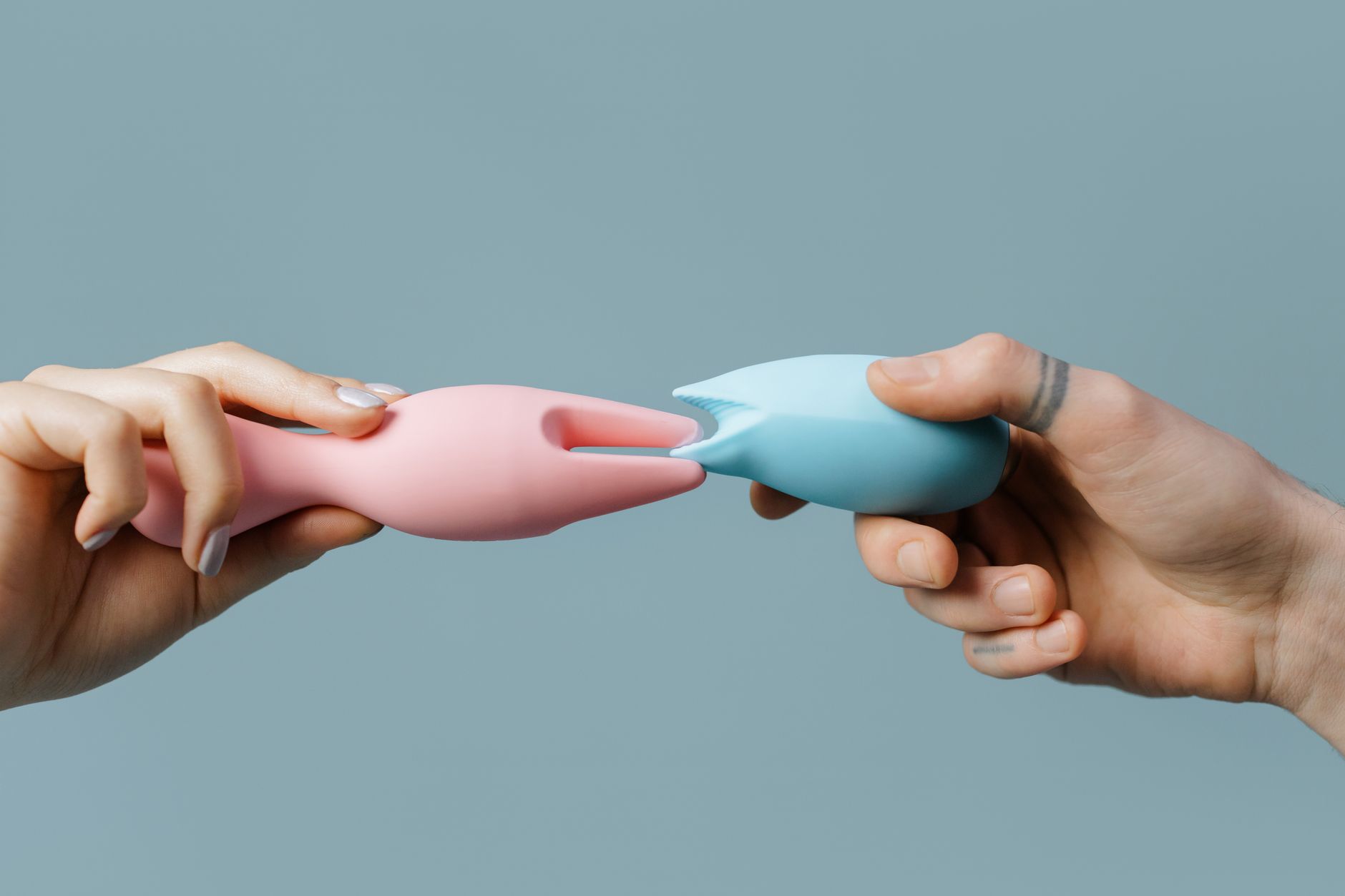
Let's be real about the new relationship situation
You've met someone great. The connection is real. And at some point, you're going to want to introduce a lemon clitoral vibrator into the mix. Maybe you've always used one solo. Maybe you're hoping this relationship will be different from past ones. Either way, the question hits: how do you bring this up without killing the moment or seeming "too much" three weeks in?
Here's what actually happens when you wait versus when you name it early. Waiting creates a story in your head. You wonder if they'll think you don't like what they're doing. You overthink the timing. You slip it in like you're hiding something, which makes it weird. Naming it early, on the other hand, takes the weight out of it. It becomes just another thing about you, not a confession.
The timing conversation (before you're in bed)
The best moment to bring this up is not during foreplay. It's a regular conversation. Not a "we need to talk" conversation, but a casual one. "Hey, I've been using a lemon vibrator for years and I really like how it feels. I'd want to use one with you eventually. Are you cool with that?" That's it. You're not asking permission. You're stating a fact about what you enjoy and checking if they're open to it.
Their response will tell you a lot. If they say yes immediately, they're probably comfortable with their sexuality. If they pause and ask questions, that's fine too. Answer honestly. "It works differently than fingers or a penis would. It's not about replacing anything. It's just a different sensation I like." If they say no or seem uncomfortable, you have information. You can decide if that's a dealbreaker for you right now, or if you want to revisit it later when you know each other better.
Most people, when asked directly and calmly, say yes. What makes them uncomfortable is the secrecy, not the tool itself.
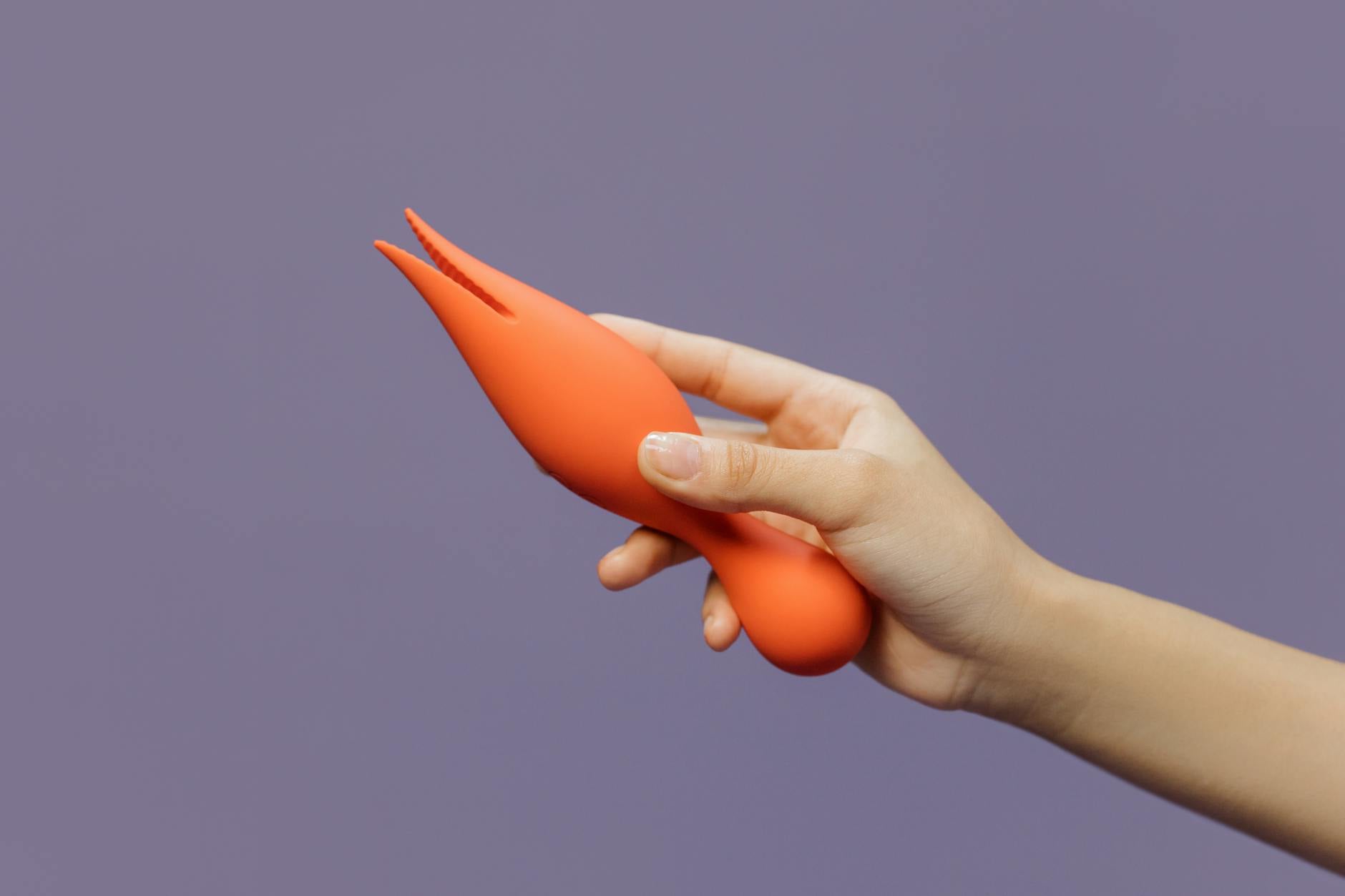
Photo by cottonbro studio on Pexels
Building comfort together through conversation
Once they've said yes, the work isn't done. You now get to educate them about how lemon vibrators actually work, which removes a lot of the mystery and anxiety they might be carrying. "A lemon vibrator uses suction and pulse patterns, not just vibration. The sensation is concentrated on the clitoris without direct friction." Or keep it simpler: "It feels like nothing else. You'll see."
Show them the toy if you're comfortable. Let them hold it. Turn it on so they hear what it sounds like. Seriously. A partner who's never encountered a lemon vibrator before might be imagining some industrial jackhammer noise. When they realize it's quiet and elegant, half their anxiety dissolves.
Talk about how you'd like to use it together. "I'm thinking you could touch me while I use it," or "I'd like you to hold it for me," or "I want to show you where feels best." Giving them a role removes the fear that you're excluding them or replacing them. You're inviting them in.
The first time using it together (practical steps)
Start solo or start with them present but not leading. Either approach works. The key is that you're showing them what you like without the pressure of them performing immediately. If you start solo while they watch, you're demonstrating. If you start with them involved, keep the early intensity lower than you normally would and go slow enough that they can follow what's happening.
Choose a pattern on your lemon clitoral vibrator that feels good but isn't your absolute peak sensation. You want to stay present with your partner, not vanish into an orgasm while they're still figuring out what's happening. Communicate out loud. "This one feels good," or "This pattern is my favorite," or "The suction on this setting is perfect." They're learning your body in real time.
If you're using a lemon sucker or any air-pulse toy, the sensations can build quickly. Let them know that. "It might feel intense fast" isn't a warning. It's a gift of information so they're not startled by your response.
The emotional layer that matters most
Here's what I see happen in new relationships: one partner introduces a toy and the other partner makes it mean something it doesn't. They think, "She doesn't actually want me," or "He's not enough for her." This is the vulnerability you need to address directly, not by reassuring them during sex, but by talking about it afterwards.
Say something like: "I really liked that you were part of that with me. Using this with you felt different than using it alone because you were there, and that mattered." Make it true, and say it. If they're worried they're being replaced, this kind of specific, present feedback helps them see they're not.
If your partner wants to hold the lemon vibrator and use it on you, that's its own kind of intimacy. You're trusting them with your most sensitive area. They're learning your body through a new language. That's connection, not avoidance of it.
What happens when there's hesitation
Some partners hesitate even after saying yes. They might go quiet during sex. They might make a joke. They might ask to stop. Any of these is information, not rejection of you. Check in. "Does this feel okay?" If they say it feels weird or they're not sure about it, pause. "We can stop anytime. What would help?"
Sometimes people need to see an orgasm happen with the toy to understand it's not cold or clinical. Sometimes they need a moment alone to process. Sometimes they realize they'd rather use it a different way than you expected. All of this is normal and fixable through talking.
The partners who struggle most are usually the ones who feel like they don't know what their role is. Give them a role. Let them control the pattern. Let them decide when to turn it on and off. Let them hold it. The more agency they have, the less threatened they feel.
When the new relationship has different pleasure styles
Lemon vibrators are particularly useful here because they don't require matching rhythms or intensity preferences. If your partner needs faster, harder stimulation and you need something more precise and pulsing, a lemon clitoral vibrator lets both of you get what you need without negotiation. You're using a tool that works for your body. They're using their hands or a toy that works for theirs. You're building something that fits you both.
The early months of a relationship are when you're literally learning each other's bodies from scratch. There's no assumed knowledge. There's no "she always comes like this" or "he never likes that." You're in discovery mode. Bringing a lemon vibrator into that phase, rather than later, actually makes it easier because neither of you has a fixed idea of what "normal" is yet.
Building a practice that lasts
Once you've used it together a few times and it feels normal, you get to figure out how it fits into your regular intimate life. Some couples use it every time. Some use it occasionally. Some use it when arousal is slow or when they want a specific kind of intensity. There's no rule.
What matters is that both of you feel like it's a shared choice, not a backup plan or a workaround. If your partner suggests using it, that's a sign they've moved from accepting it to actually wanting it. Notice that.
Using lemon vibrators with a new partner isn't about fixing anything or making up for something missing. It's about saying, "Here's something I enjoy, and I want to share this with you." That simple act of inviting someone into your pleasure, and having them say yes and show up for it, is actually the foundation of lasting intimacy. You're not just building a sexual connection. You're building a partnership where both people feel safe enough to ask for what they want.
People also ask
How do I bring up using a lemon vibrator without seeming needy or high-maintenance?
Frame it as a fact about you, not a problem you need solved. "I've always enjoyed using a lemon clitoral vibrator" lands very differently than "I need a lemon vibrator to get off." One is about preference. One sounds like a deficit. You're not needy for wanting specific sensations. You're just specific about pleasure, which is actually attractive.
What if my new partner says they're uncomfortable with toys?
Respect that, and ask why. Are they insecure? Do they have a belief that toys are "cheating"? Are they worried about noise or it being too intense? The reason matters. If they're uncomfortable long-term, you have to decide if that's compatible with what you want from a relationship. You don't have to hide who you are to make someone comfortable, but you also get to decide what's a dealbreaker for you.
Can I use a lemon vibrator if my partner has performance anxiety?
Actually, yes. If your partner worries they're not enough or that they can't make you come, a lemon vibrator can ease that pressure. You're taking some of the performance expectation off them. You're saying, "This is what gets me there, and it's not about you being inadequate." That can actually reduce performance anxiety if they understand it that way. Which is why explaining it matters.
Is it weird to introduce a toy this early in dating?
It depends on your definition of early. If you're talking within the first few weeks of sex, some partners will find it fast. If you're talking three or four months in, most people see it as normal exploration. The sooner you introduce it as just part of who you are, the less loaded it feels. If you hide it for a year and then bring it out, that feels like a confession. If you mention it in month two, it feels like just another detail about you.
How do I know if my partner actually likes using the toy or is just doing it for me?
Watch their behavior outside the bedroom. Do they ever suggest using it? Do they seem engaged when you're using it together, or checked out? A partner who's genuinely into it will lean toward you, pay attention, ask questions. A partner who's humoring you will be polite but a little distant. Over time, genuine enthusiasm shows. So does obligation.
What if the toy feels like it's coming between us?
That usually means someone's not talking. Go back to conversation. "Is something off?" Listen without defending. If your partner feels replaced or unseen, that's real feedback, even if it's not logical. Help them understand that using a lemon vibrator is not an alternative to them. It's an addition. It's you saying, "I want you here while I experience this." If they still feel left out, figure out a way to involve them more directly, whether that's them holding it, controlling it, or just being present in a way that feels connected to them.
Start with honesty, not hesitation
The couples who navigate toys most successfully are the ones who talk about it before, during, and after. It doesn't kill romance. It actually builds it. Because you're saying out loud that your pleasure matters, that you trust them enough to be vulnerable about what you like, and that you want them to be part of it. That's not transactional. That's intimacy.